

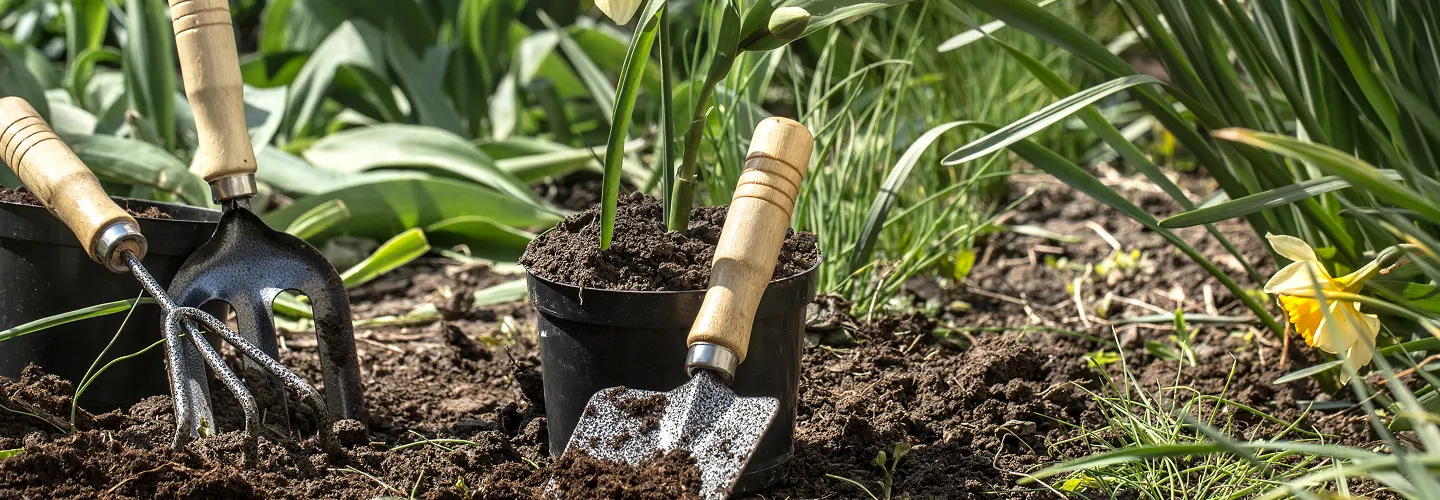
Everett Flower Bed Maintenance Services
Choose our expert flower bed maintenance for lush, healthy blooms and a beautifully manicured landscape—so you can enjoy a stunning garden without the hassle.
Get a Free QuoteWhen to Schedule Flower Bed Maintenance in Everett, Massachusetts – Seasonal Guide
In Everett, Massachusetts, the best times for flower bed maintenance are shaped by our unique New England climate and the city’s diverse neighborhoods, from the tree-lined streets near Glendale Park to the shaded yards of Woodlawn. Spring, just after the last frost—typically in late April—is ideal for cleaning beds, refreshing mulch, and planting annuals. Fall maintenance, around late September to early October, helps prepare beds for winter, especially as temperatures drop and humidity levels shift.
Local factors such as Everett’s clay-heavy soils, the risk of late spring frosts, and summer drought periods all play a role in determining the right maintenance schedule. Areas near the Malden River may experience higher humidity and shade, while neighborhoods closer to Broadway might face more sun exposure and compacted soils. For more information on local climate and gardening resources, visit the Sudbury, MA municipal site.
Local Factors to Consider for Flower Bed Maintenance in Everett
- Tree density and shade coverage, especially in neighborhoods like Ferry Street
- Soil type and drainage, with many areas featuring clay or compacted soils
- Precipitation patterns and drought risk during summer months
- Proximity to water sources, such as the Malden River
- Municipal restrictions on watering or fertilizer use
- Terrain and slope, which can affect runoff and soil erosion
Benefits of Flower Bed Maintenance in Everett
Enhanced Curb Appeal
Weed and Pest Prevention
Healthier Plant Growth
Seasonal Color Management
Professional Expertise
Time and Effort Savings
Everett Flower Bed Maintenance Types

Seasonal Flower Planting
-
Weed Control and Removal
-
Mulching and Soil Conditioning
-
Pruning and Deadheading
-
Fertilization Services
-
Pest and Disease Management
-
Edging and Bed Redefining
Our Flower Bed Maintenance Process
Site Evaluation
Weed Removal
Soil Preparation
Plant Care
Mulching
Why Choose Everett Landscape Services
-
Everett Homeowners Trust Us
-
Comprehensive Lawn Maintenance
-
Competitive Pricing
-
Professional Team
-
Satisfaction Guarantee
-
Personalized Service
-
Timely and Reliable Scheduling
Contact Everett's Department of Public Works for Garden Debris Disposal & Municipal Composting Programs
Proper garden debris management in Everett is essential for both environmental health and compliance with local regulations. From April through November, the city provides seasonal collection of yard waste, requiring residents to use biodegradable paper bags—plastic bags are not accepted per MassDEP guidelines. Bundles of pruned material must not exceed 4-foot lengths or 50 lbs, and should be tied with biodegradable twine. For larger quantities or contractor disposal, the Transfer Station offers specific hours and may require permits or fees. Healthy plant material, such as annual removals and perennial divisions, is suitable for municipal composting, while diseased or invasive species must be bagged and sent to landfill or handled through certified disposal. Finished municipal compost, typically with a 1-1-1 nutrient analysis, is available for soil amendment in spring and fall, with bulk delivery options for large projects. Fire safety is also a priority—mulch must be kept 3-5 feet from structures, and hardwood mulch is preferred for its fire resistance. For more information or to coordinate composting and debris disposal, contact:
Everett Department of Public Works
19 Norman Street, Everett, MA 02149
Phone: (617) 394-2270
Official Website: Everett Department of Public Works
Professional Soil Assessment & Amendment Requirements for Everett's Glacial Till & Rocky Soils
Everett’s soils are predominantly glacial till with high clay content and poor drainage, interspersed with rocky shallow areas and occasional sandy outwash. Professional soil testing is mandatory for new and renovated flower beds, with services available through the UMass Soil Lab. Typical pH values range from 5.5-6.5, requiring lime applications to reach the optimal 6.0-7.0 for most flowering plants. Organic matter is often low (2-3%), necessitating the incorporation of compost to achieve the recommended 4-6%. For new beds, add 2-3 inches of compost and work it into the top 8-12 inches of soil. Raised beds (8-12 inches high) are advised for poorly drained sites. Urban soils may require lead testing, especially near older structures, and salt damage from winter de-icing can be mitigated with gypsum and spring leaching. For site-specific recommendations, consult the USDA Web Soil Survey.
Everett Conservation Commission Guidelines for Flower Bed Maintenance Near Protected Areas
Gardening near Everett’s wetlands and protected areas is regulated under the Wetlands Protection Act, requiring permits for work within 10-25 feet of wetlands or streams. Seasonal restrictions apply during wildlife breeding (April-Aug). Maintenance should avoid disturbing tree root zones—80% of roots are in the top 12 inches—and prioritize organic, low-impact practices. Native and pollinator-friendly plants such as New England aster, black-eyed Susan, and milkweed are encouraged, and perennials should not be cut back until spring to protect overwintering insects. Mulch should be applied at 2-4 inches to control erosion, and silt fencing may be needed on slopes. For guidance on buffer zones and permitting, contact:
Everett Conservation Commission
484 Broadway, Everett, MA 02149
Phone: (617) 394-2334
Official Website: Everett Conservation Commission
Integrated Pest Management & Plant Health Care Standards for Everett's Climate Zone 6b
Integrated Pest Management (IPM) is the standard for maintaining healthy flower beds in Everett’s USDA Zone 6b. Cultural controls include selecting disease-resistant plants, proper spacing (12-18 inches), and watering at the base to avoid leaf wetness. Mechanical controls such as hand-weeding and row covers are effective, while biological controls encourage beneficial insects like ladybugs. Chemical controls are a last resort and must comply with MA Dept Agricultural Resources licensing and notification requirements. Common pests include Japanese beetles (June-July), slugs, powdery mildew (late summer), aphids, and deer browsing. Sanitize tools with 70% isopropyl alcohol or 10% bleach for 30 seconds. Record all pesticide applications and observe re-entry intervals (12-24 hours). For more information on pest management standards, consult UMass Extension.
Seasonal Maintenance Calendar & Weather Coordination for Everett's Growing Conditions
Everett’s climate (Zone 5b-7a) features a last frost in mid-May and a first frost in early-mid October. Spring (April-May) is for soil preparation, perennial cleanup, and bulb deadheading. Summer (June-August) brings mild to warm temperatures (70-85°F), requiring diligent irrigation and pest monitoring. Fall (September-October) is optimal for dividing perennials and planting bulbs (October-November). Winter (November-March) involves mulching and planning. Weather-responsive practices include deep mulching for drought, early morning watering (5-7 AM, 1-1.5 inches weekly), and storm damage assessment after Nor’easters. For up-to-date weather guidance, refer to NWS Boston/Norton. Seasonal maintenance ensures healthy, resilient gardens throughout the year.
Everett Water Department Coordination for Efficient Irrigation & Conservation Compliance
Efficient irrigation is vital for Everett’s gardens, especially during summer restrictions (odd/even watering May-Sept). The Everett Water & Sewer Division oversees water conservation and infrastructure. Drip irrigation is preferred for flower beds, reducing evaporation and disease risk. Mulching (2-4 inches) retains soil moisture, and hydrozoning groups plants by water needs. Early morning watering (5:00-9:00 AM) is optimal. New plantings may be hand-watered for the first 30 days. Rain sensors and backflow prevention devices are required for automated systems, with annual certification. For irrigation permits and compliance, contact:
Everett Water & Sewer Division
19 Norman Street, Everett, MA 02149
Phone: (617) 394-2327
Official Website: Everett Water & Sewer Division
Professional Plant Selection, Installation & Replacement Standards for Sustainable Gardens
Selecting plants for Everett’s gardens requires matching species to site conditions: full sun (6+ hours), part shade (2-4 hours), or shade (<2 hours). Choose MA natives like New England aster, bee balm, and purple coneflower for pollinator support and resilience. Ensure cold hardiness (-15 to -20°F) and heat tolerance (85°F+). Planting depth is critical—set crowns at or slightly above soil level, especially in clay soils. Amend planting holes with a 50% native soil/50% compost mix, and mulch immediately (2-4 inches, 2-3 inch clearance from stems). Spring (late April-May) and early fall (September-early October) are optimal planting times, allowing 6-8 weeks before frost for root establishment. Use nursery-quality, disease-free plants (#1 or #2 containers), and water deeply 2-3 times weekly during establishment.
Stormwater Management & Pollinator Protection in Compliance with Everett's Environmental Initiatives
Everett’s gardens play a role in stormwater management under MassDEP Stormwater Standards and the Clean Water Act. Apply fertilizers based on soil tests, use slow-release products, and avoid application before heavy rain. Mulch (2-4 inches) prevents erosion and runoff, while rain gardens can help manage stormwater. Native plantings support pollinators and wildlife, with perennial stalks left through winter for beneficial insects. These practices contribute to carbon sequestration, air quality improvement, and urban heat island mitigation. For more on pollinator and stormwater initiatives, consult MA Audubon and EPA Region 1.
Municipal Coordination for Public Garden Maintenance & Community Beautification Programs
Everett’s Parks & Recreation Department maintains public flower beds, coordinates volunteer programs, and supports community gardens. Residents can participate in Master Gardener workshops, plant donation programs, and seasonal beautification efforts. Maintenance schedules are coordinated to minimize disruption during public events, and non-toxic plant selections are prioritized for areas accessible to children and pets. Demonstration gardens and educational signage promote sustainable practices. For volunteer opportunities and public garden information, contact:
Everett Parks & Recreation
47 Elm Street, Everett, MA 02149
Phone: (617) 394-2390
Official Website: Everett Parks & Recreation
What Neighborhoods Do We Serve Throughout Everett, MA?
Everett’s neighborhoods each present unique gardening conditions. The Glendale area features mature tree canopies, providing 30-50% shade and cooler microclimates, while the Village and Lower Broadway corridors are sunnier and experience urban heat island effects (5-10°F warmer). Coastal proximity in the River’s Edge and Wellington neighborhoods brings cooler springs, moderated winters, and occasional salt exposure. Soil types vary: glacial till with poor drainage is common in older districts, while newer developments may have sandy or rocky soils. Infrastructure, such as irrigation systems and utility lines, requires coordination with Dig Safe. Community standards range from manicured landscapes in historic districts to naturalized plantings in newer areas, with maintenance logistics shaped by street access and municipal collection schedules.
Everett Municipal Ordinances for Garden Maintenance Equipment Operation & Commercial Service Standards
Everett regulates garden maintenance equipment operation to balance community needs and environmental protection. Permitted hours are typically 7:00 AM-7:00 PM on weekdays and 8:00 AM-6:00 PM on Saturdays, with Sunday and holiday restrictions (often before 9:00 AM or prohibited). Commercial landscapers must be licensed and registered with the city, carry a minimum 1M general liability insurance, and comply with state contractor registration for contracts >$1,000. Safety protocols include traffic control, equipment calibration, and public notification for right-of-way work. Environmental compliance requires proper material containment, immediate spill cleanup, and documentation of waste disposal. For permits and code compliance, contact:
Everett ISD Online Permitting
484 Broadway, Everett, MA 02149
Phone: (617) 394-2220
Official Website: Everett ISD Online Permitting